
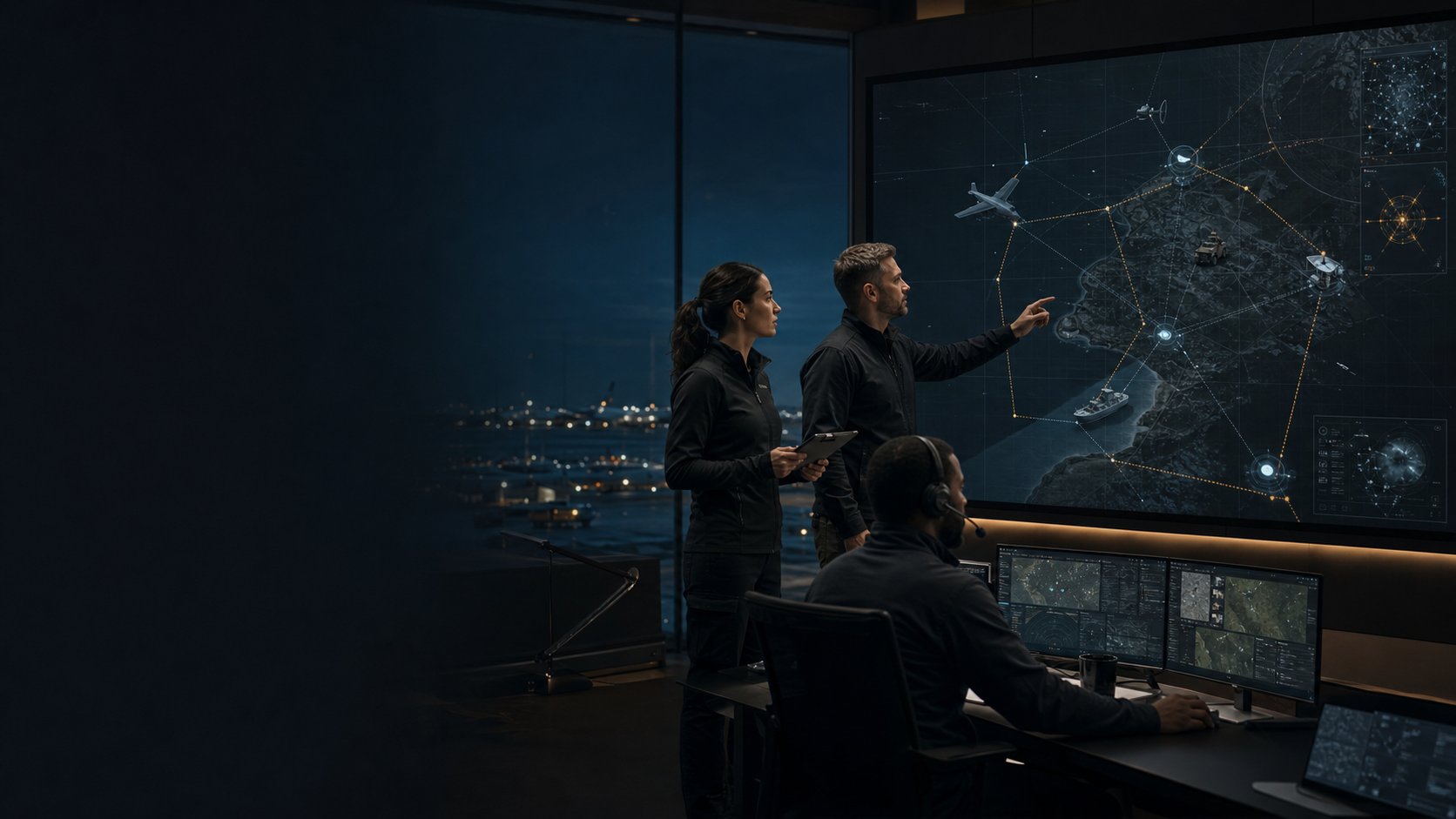
Deploy within existing cloud accounts, regions, identity, networking, and authorization boundaries.
Cortex™ / Mission AI Platform
Intelligence that
moves the mission.
Corteq connects sensors, operators, agents, and autonomous systems across air, sea, land, and cyber, turning fragmented signals into governed action at mission speed.
- Operating domains
- Air · Sea · Land · Cyber
- Decision loop
- Sense · Understand · Authorize · Act
- Deployment
- Cloud · Enclave · Disconnected edge
One operational thread
From first signal to authorized action.
Cortex™ maintains the mission context as data becomes understanding, understanding becomes a decision, and a decision becomes a governed effect.
- Step 1Sense
Ingest imagery, telemetry, records, and tracks where they are produced.
- Step 2Understand
Fuse signals into a shared operational model with provenance intact.
- Step 3Authorize
Apply policy, permissions, human gates, and hard stops before action.
- Step 4Act
Task systems, coordinate workflows, and preserve evidence of every decision.
Operational domains
Built for where the mission happens.
One platform does not mean one operating model. Cortex™ adapts to the physics, tempo, connectivity, and consequence of each domain.
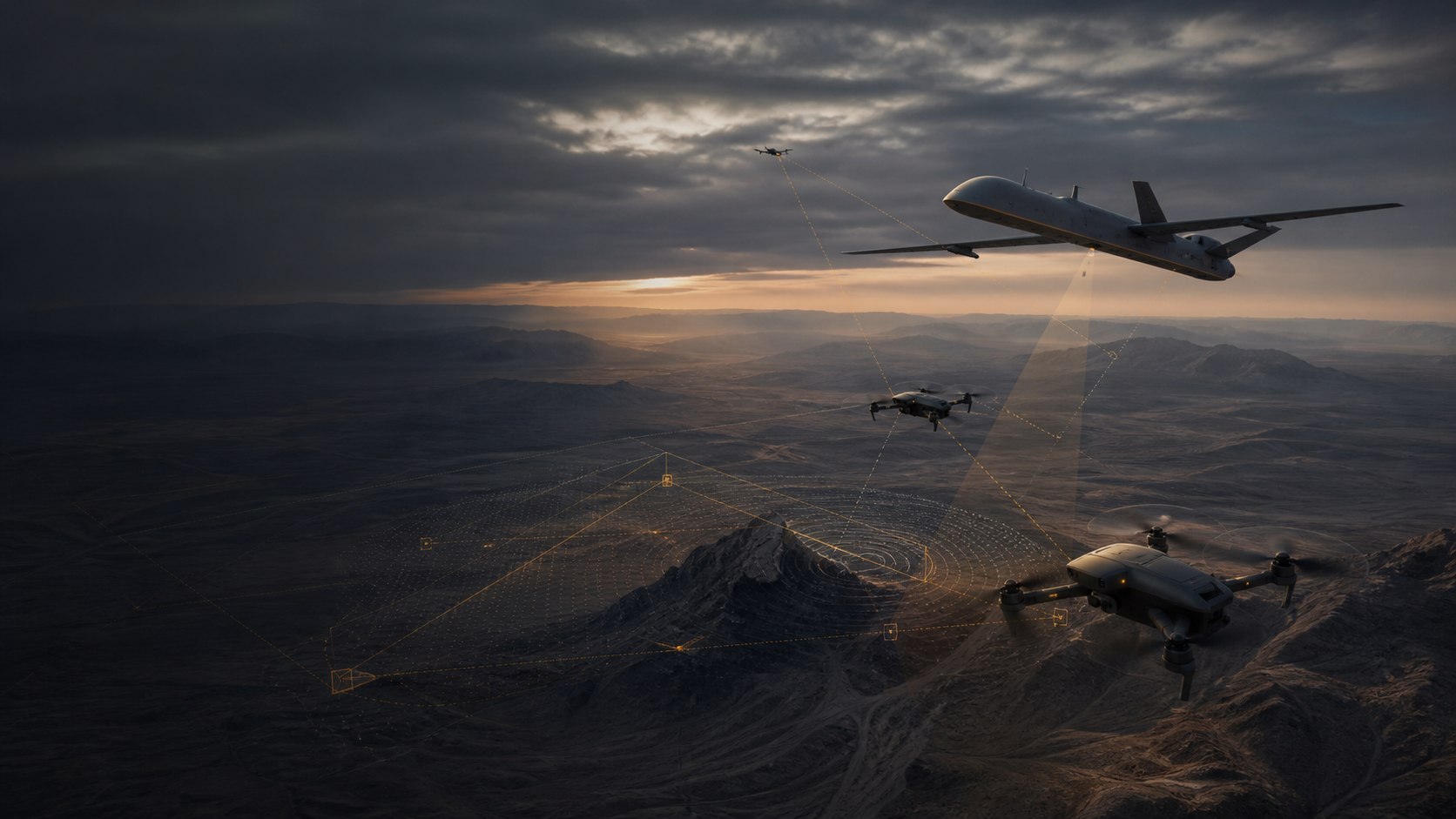 AIR
AIR
Command the air picture.
Coordinate autonomous aircraft, ISR sensors, counter-UAS defenses, and human authorization at the speed of flight.
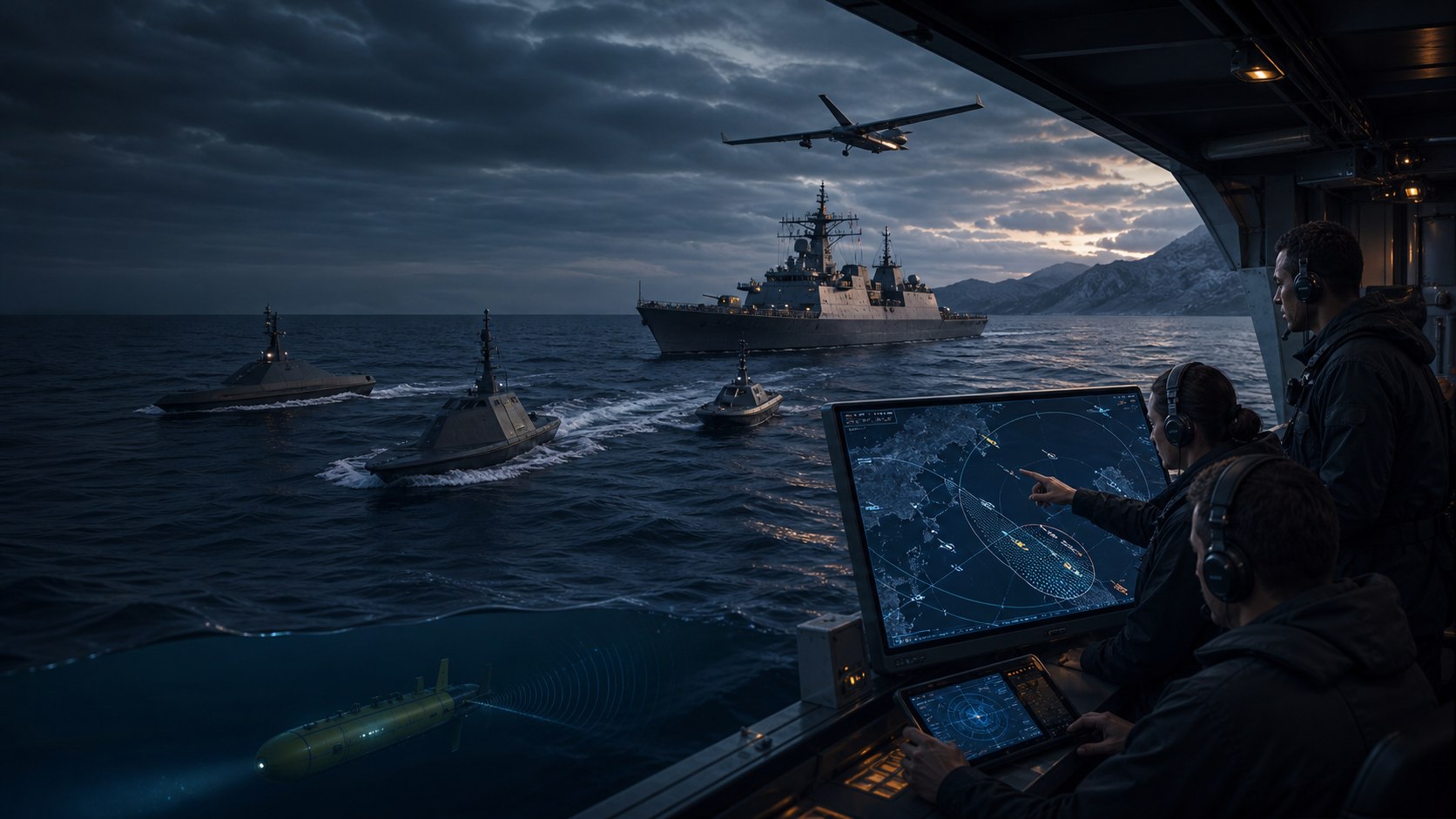 SEA
SEA
See across the maritime battlespace.
Fuse surface, subsurface, airborne, and shore-based reporting into one persistent operational picture.
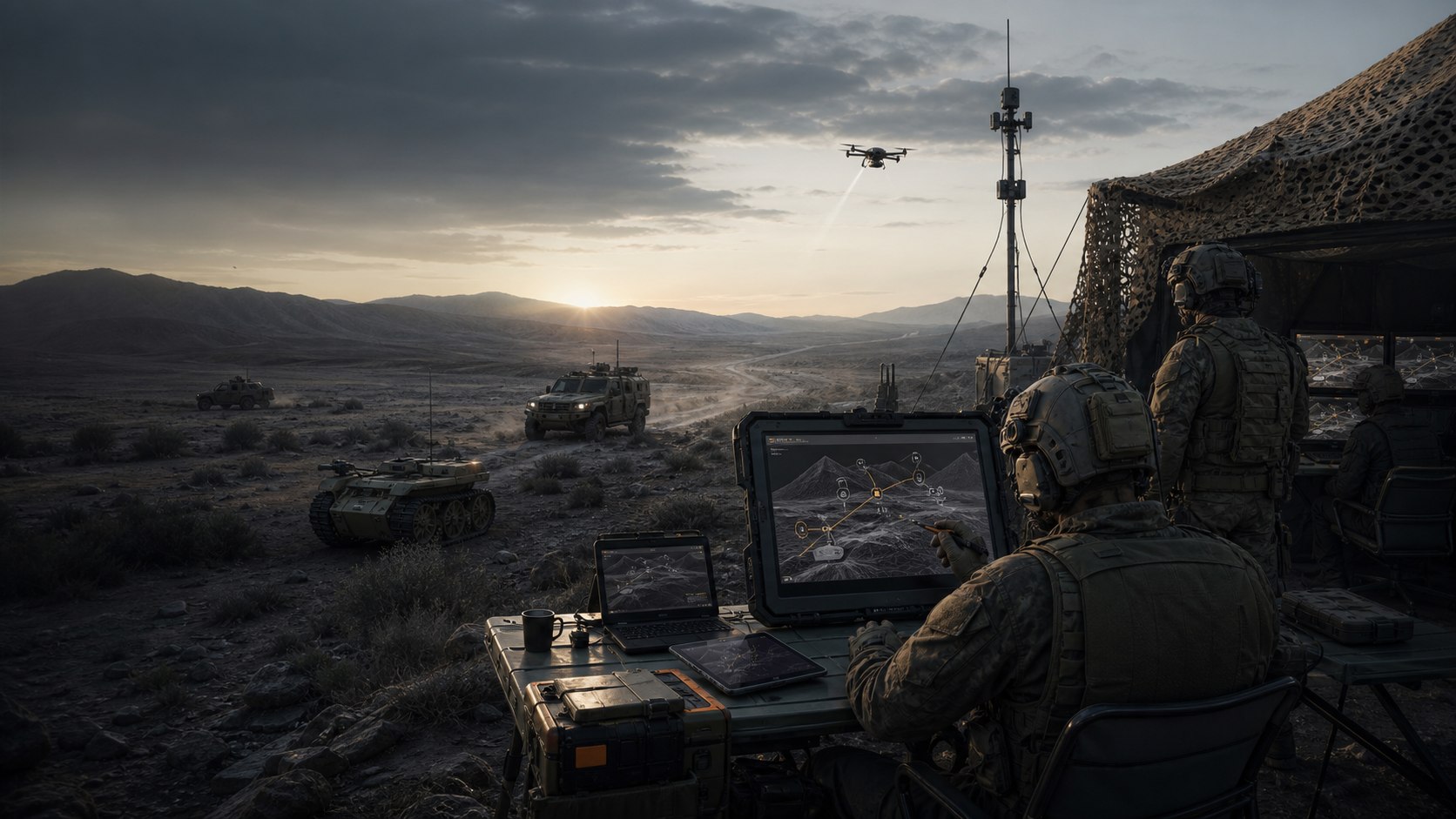 LAND
LAND
Move formations with shared intent.
Connect operators, vehicles, drones, logistics, and command systems across contested and disconnected terrain.
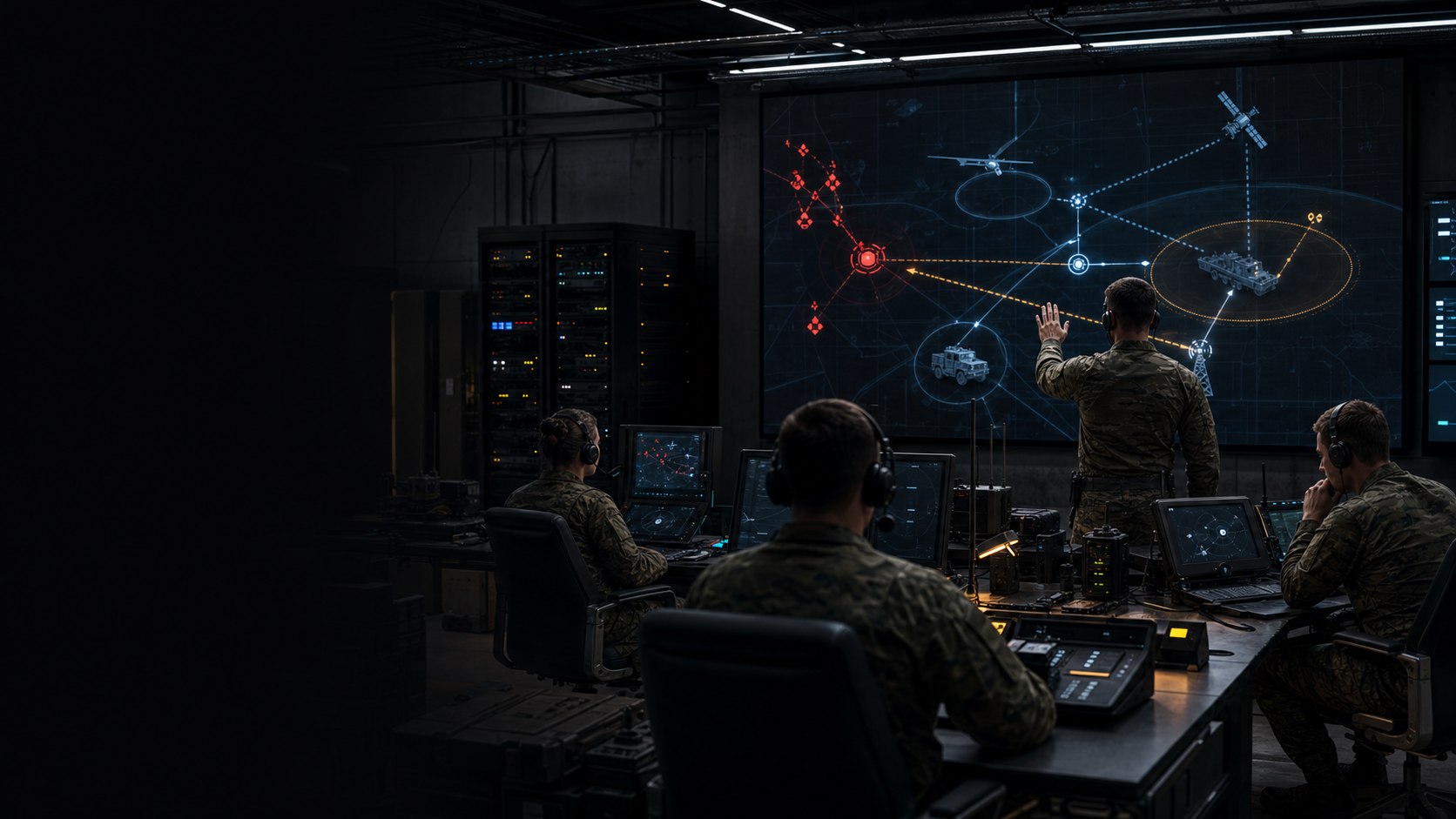 CYBER
CYBER
Defend the mission at machine speed.
Turn mission telemetry into grounded triage, bounded response, and evidence your defenders can trust.
Corteq Cortex™
One operating system beneath the force.
Cortex™ unifies mission context, governed autonomy, resilient interoperability, continuous evidence, and secure deployment. New sensors and platforms join the mission without creating another integration program.
Explore the platform
Context↗
Autonomy↗
Interoperability↗
Assurance↗
Boundary↗
Mission Graph
A live operational model connecting people, platforms, tracks, tasks, authorities, and evidence.
Agent Studio
Bounded mission agents with scoped tools, explicit handoffs, approval gates, and hard stops.
Integration Fabric
Governed adapters, semantic mappings, and resilient event exchange across the systems already in the force.
Compliance-as-Code
Controls, evaluations, lineage, and audit evidence produced continuously as the system operates.
Zero-Trust Substrate
Retrieval, inference, and execution inside the mission boundary—from cloud to disconnected edge.
Deployment ecosystem
Open by design.
Bound to your environment.
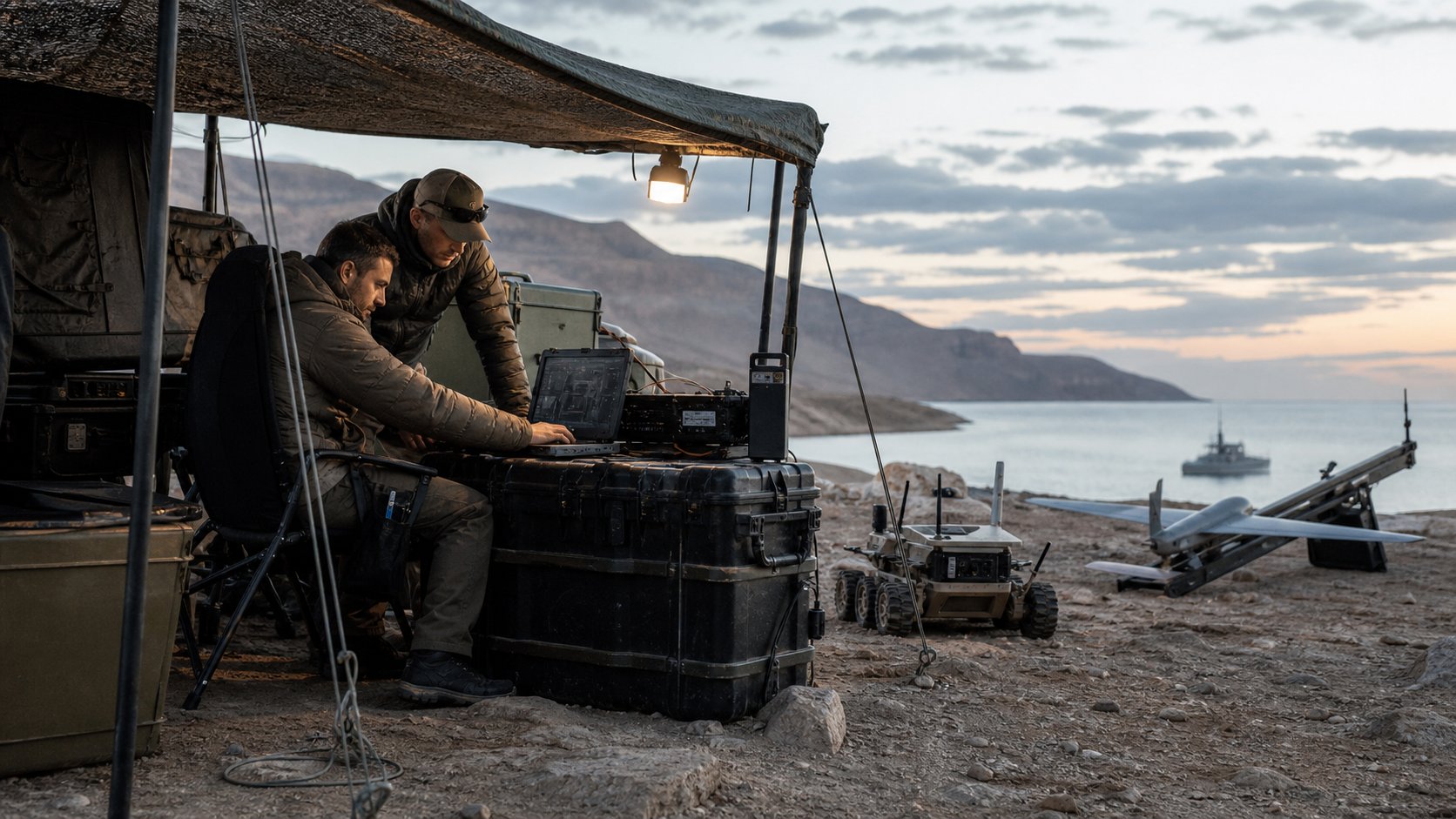
Cortex™ fits the infrastructure, models, controls, and operating boundaries already approved for the mission. Technology remains replaceable; the operating thread remains intact.
Match inference, vision, simulation, and training workloads to available mission compute.
Connect structured records, documents, imagery, events, and telemetry without creating another data island.
Route work to the model that meets the task, security posture, latency, and evaluation threshold.
Carry identity, permissions, policy, observability, and evidence through every agent and workflow.
Keep retrieval, inference, and action running in restricted, degraded, or disconnected environments.
Operating doctrine
Built to keep operating when the environment changes.
Capability matters only if it survives contact with the network, the workflow, the reviewer, and the person accountable for the decision.
Human authority is explicit.
Agents operate inside declared permissions. Named people approve consequential action.
The mission boundary holds.
Retrieval, inference, and execution run where the mission data already lives.
Evidence travels with the system.
Controls, evaluations, lineage, and audit trails accumulate as operations unfold.
Fielding is the standard.
The measure is a working system in production—not a promising demonstration.
Production evidence
Measured in the real world.
Different operating contexts. The same standard: deployed systems that change mission outcomes and leave evidence behind.
Wellness visits booked
Real-time analytics and AI outreach also closed 24% more care gaps and cut no-shows 18%.
Security incidents
A DevSecOps transformation made delivery cycles 50% faster while reducing post-go-live risk.
Decision support at the edge
Computer vision analyzes behavior and road risk in real time—production perception, not a lab demo.
Industries
One standard. Twelve operating environments.
Cortex™ adapts to the systems, authorities, tempo, and evidence each environment demands—without fragmenting the architecture underneath.
 Federal
Federal missions
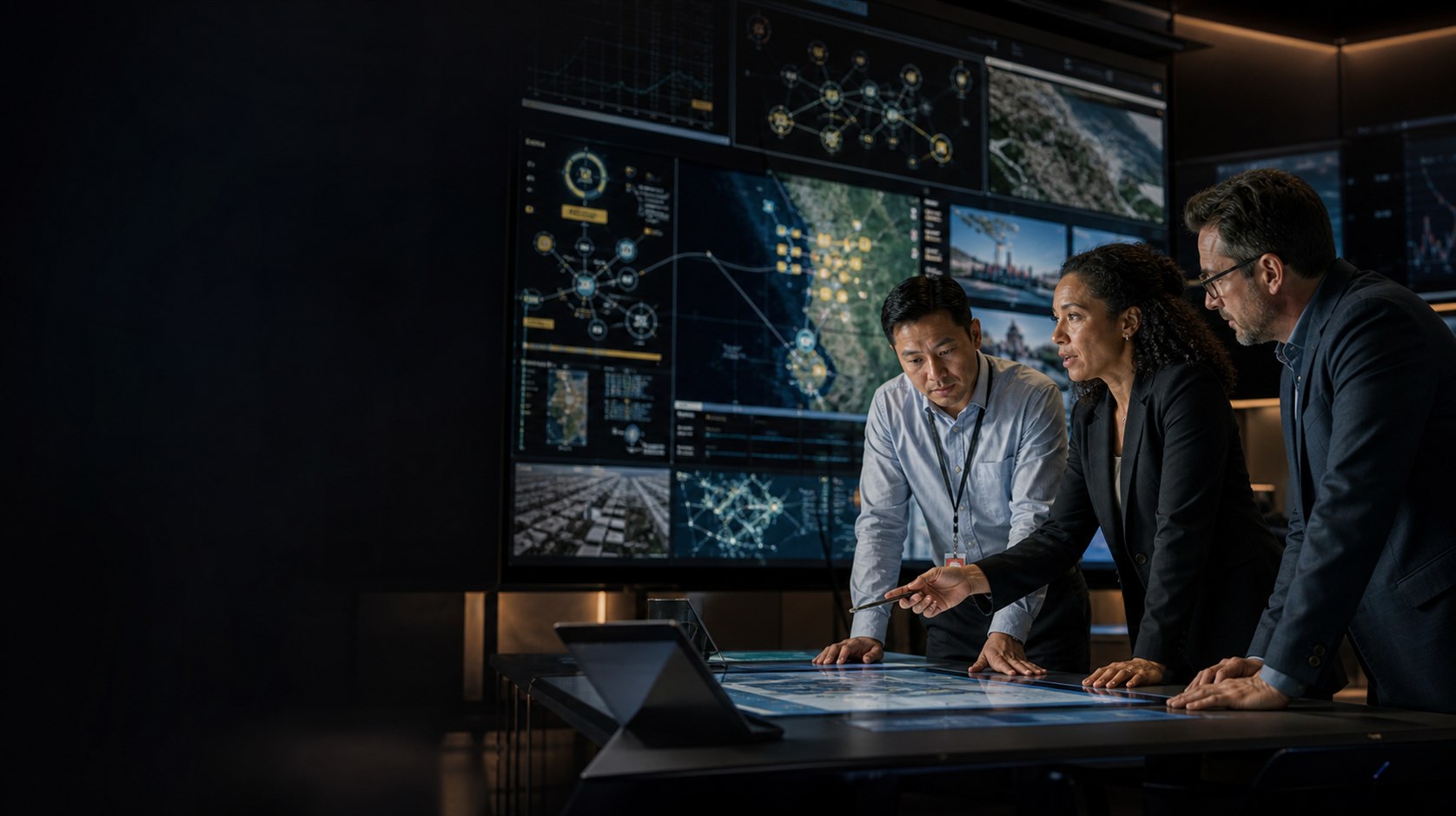
AI engineered to move from first pilot through security review and into authorized production.
↗ Public service
Federal civilian
Governed automation for mission systems, casework, citizen services, and public trust.
↗ Security
National security
Secure decision support and autonomous workflows for classified and controlled environments.
↗ Contested operations
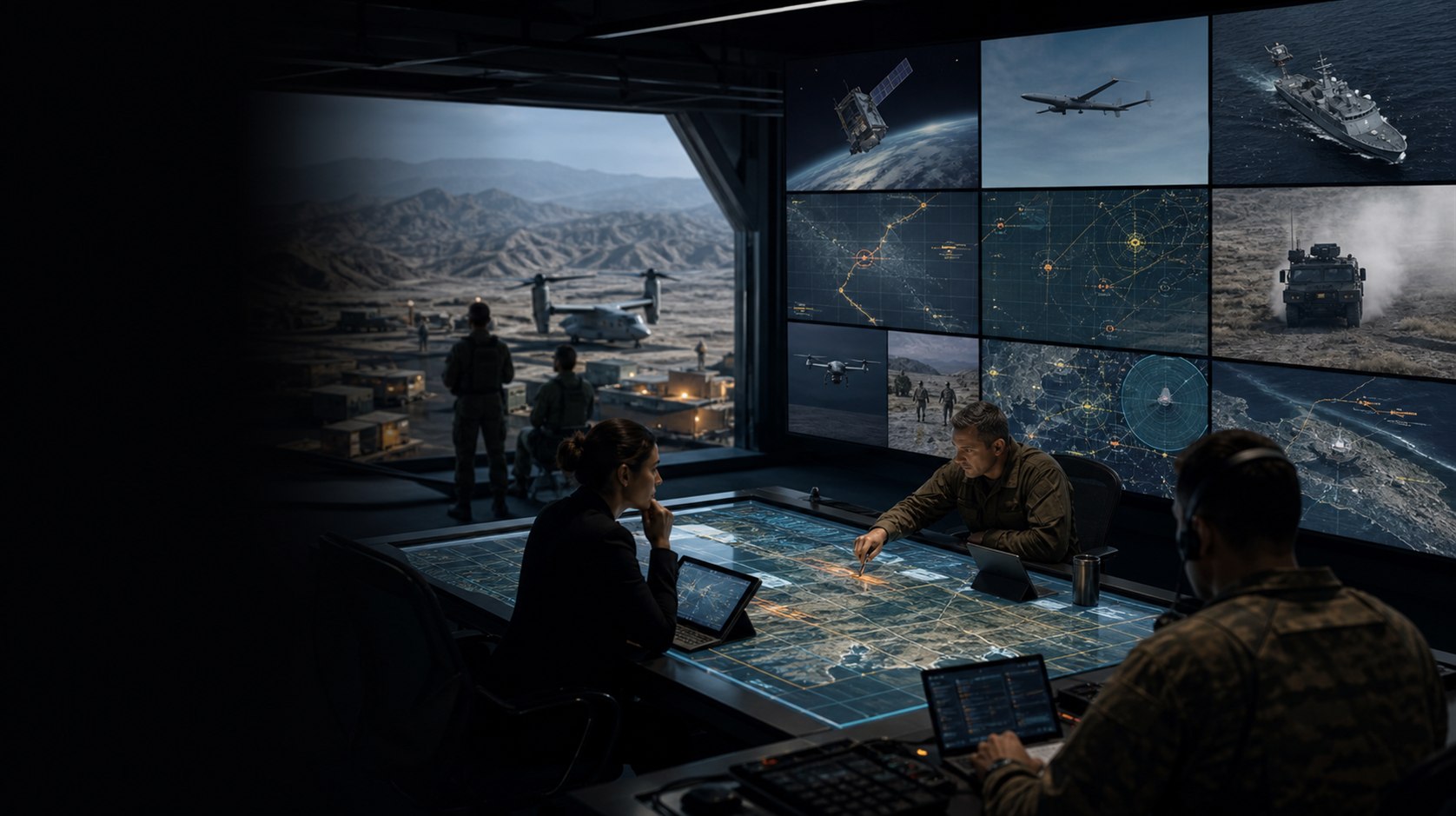
Intelligence & defense
Sensor fusion, ISR, mission analytics, and autonomy where time and connectivity are constrained.
↗ Care delivery
Healthcare
Clinical and operational AI that fits the care workflow and preserves the accountable record.
↗ Infrastructure
Energy & utilities
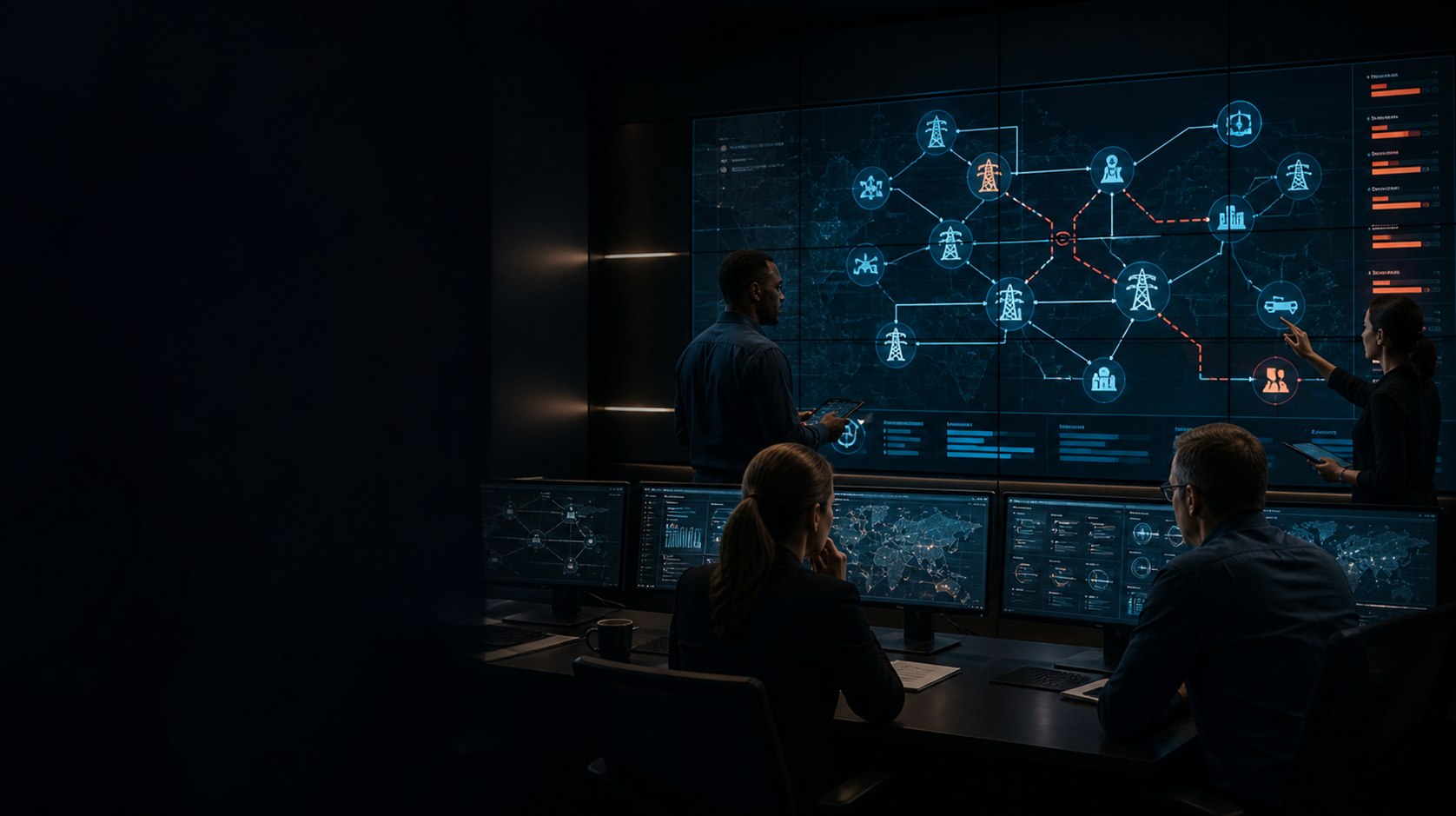
Grid, generation, field, weather, and cyber intelligence connected for resilient operations.
↗ Movement
Transportation & logistics
One governed operating picture across port, rail, road, air cargo, fleet, and facility.
↗ Regulated decisions
Financial services & insurance
Explainable case, claim, fraud, and model-risk workflows with durable decision evidence.
↗ Networks
Communications & telecom
Topology, telemetry, customer impact, and field response connected for faster recovery.
↗ Community
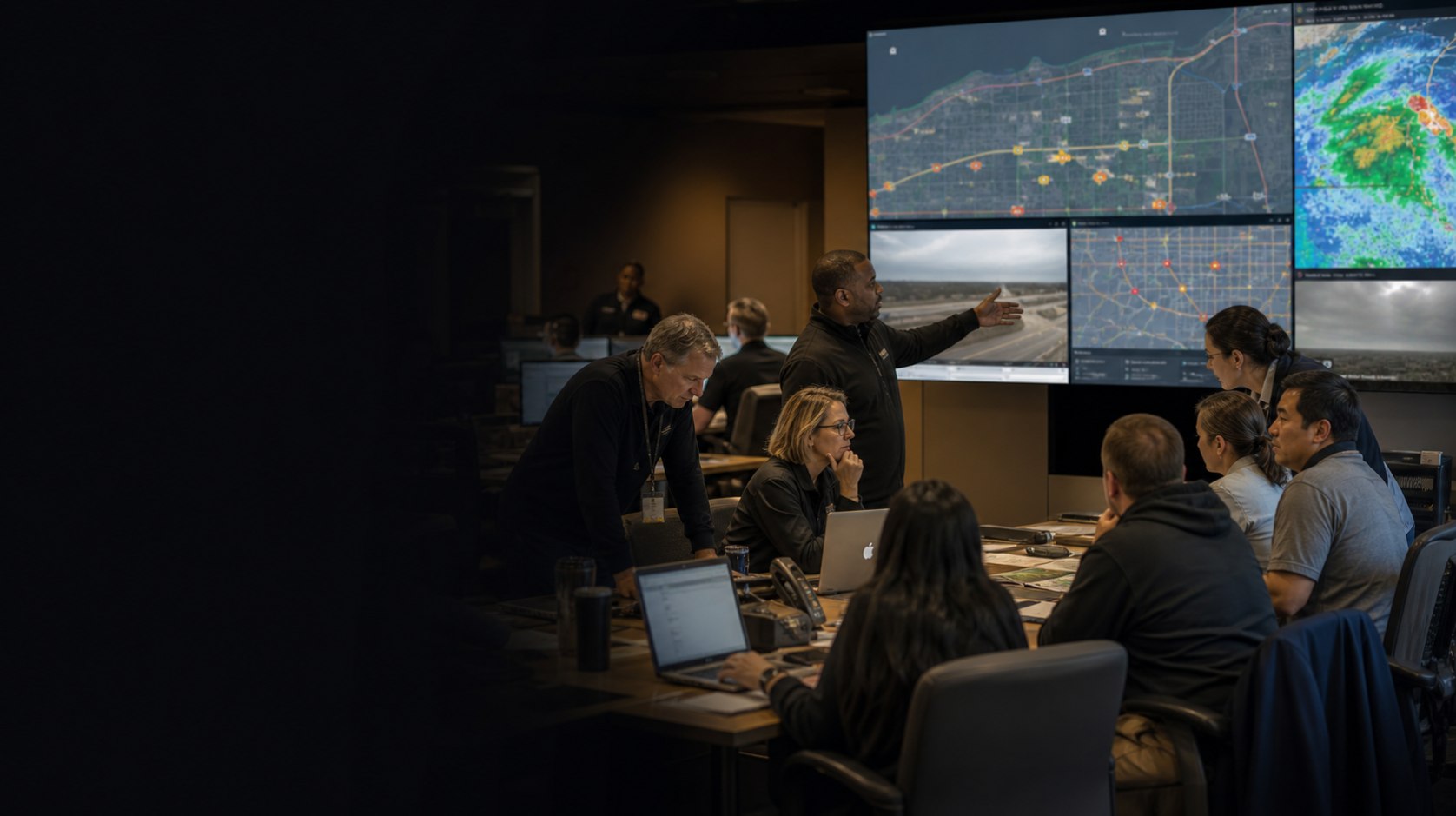
State, local & public safety
Accountable coordination across emergency operations, public works, transit, and services.
↗ Production
Advanced manufacturing
Machines, vision, quality, maintenance, supply, and operators joined from edge to enterprise.
↗ Project delivery
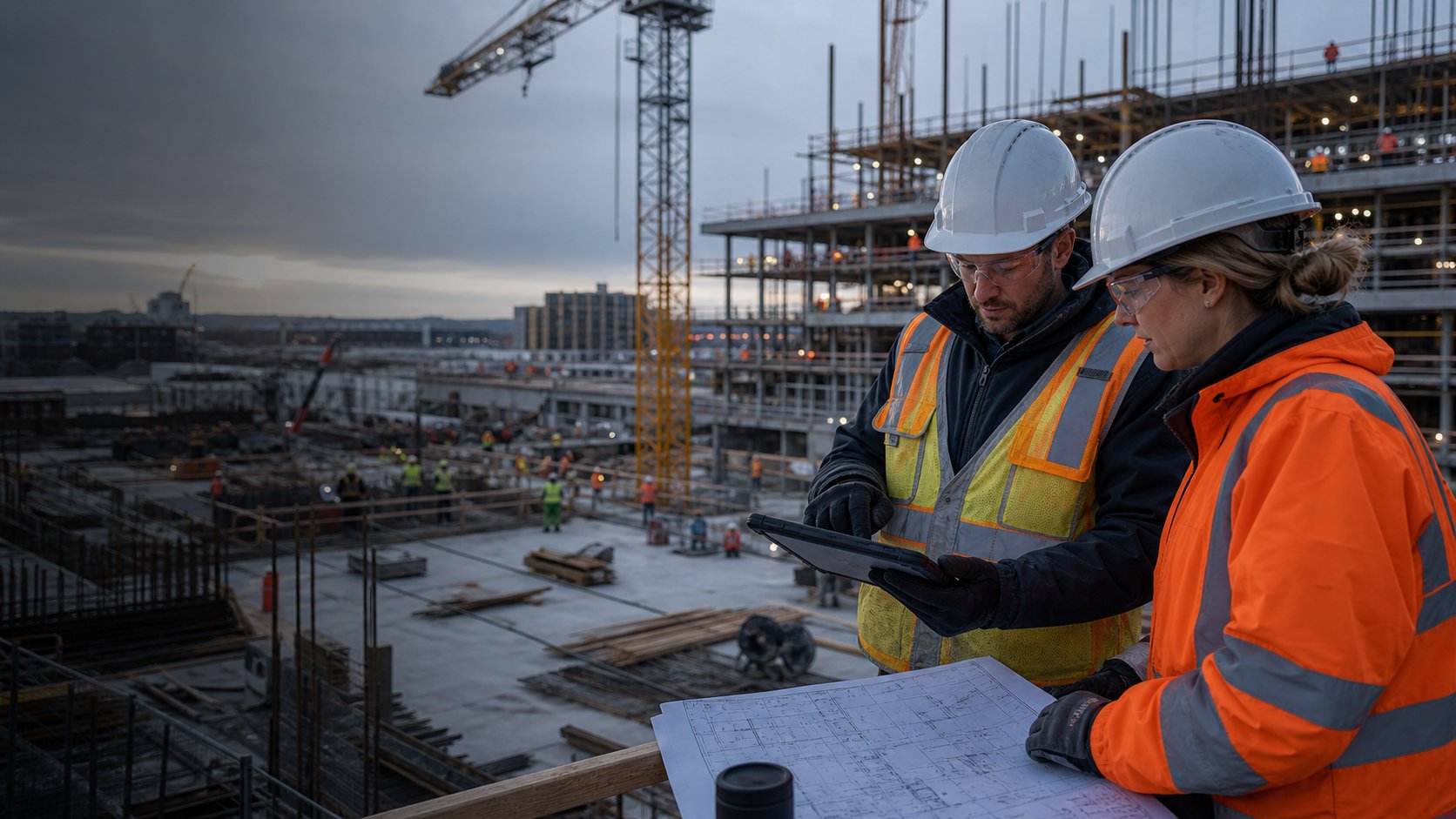
Construction
Design intent, project controls, site conditions, supply, safety, quality, and field teams connected in one delivery thread.
↗Mission review