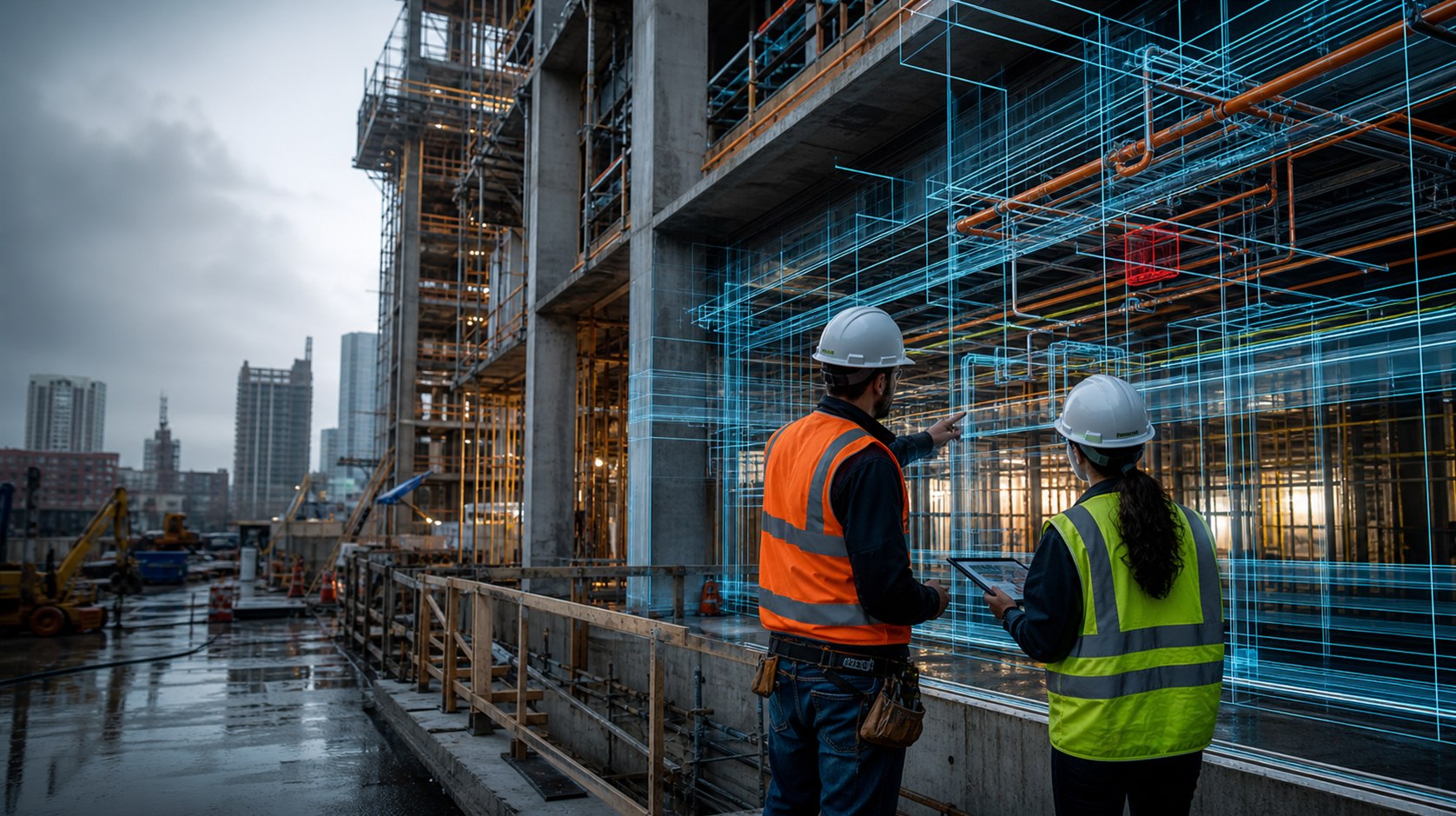
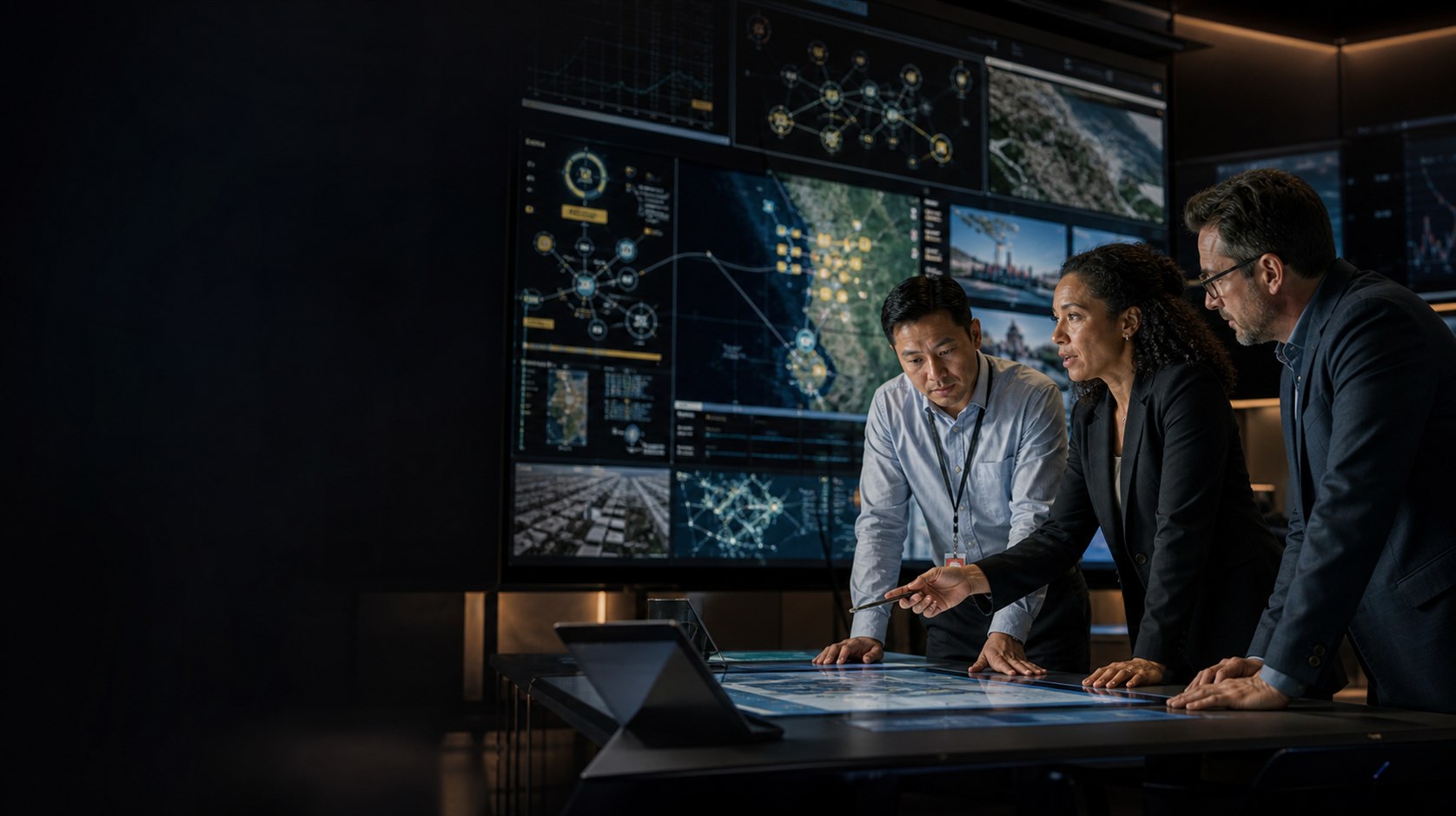
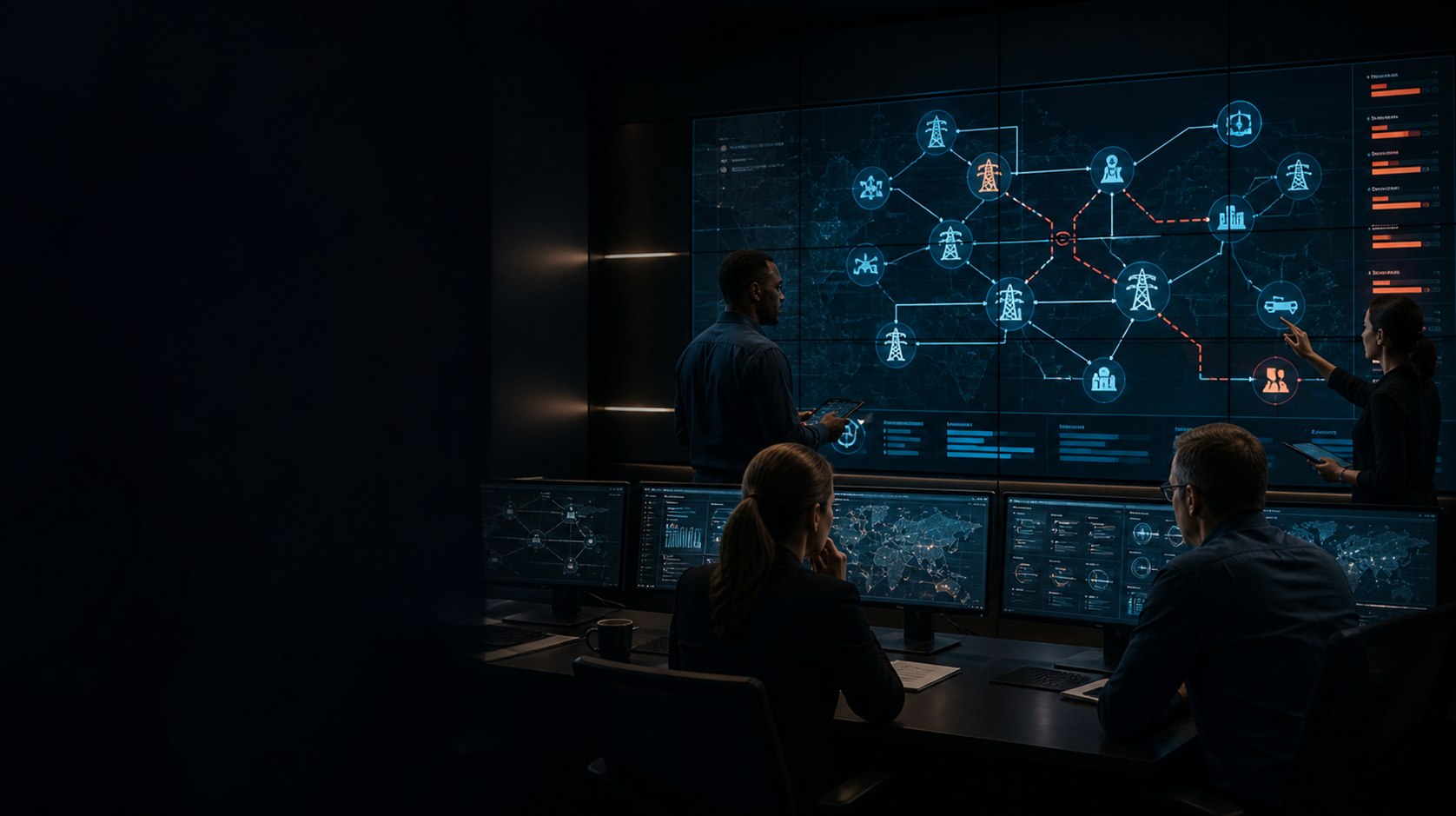
Construction teams generate models, drawings, schedules, submittals, RFIs, photos, scans, safety observations, inspection results, cost events, and commissioning data. The project still fragments because those artifacts describe the same building with different identifiers, timing, and responsibility. AI can extract and compare information, but lasting value requires a living record that connects design intent to field reality.
Make project objects machine-readable
A wall, equipment item, room, requirement, activity, submittal, issue, and inspection should remain identifiable across systems. NIST’s work on building digitization and semantic interoperability targets standardized, machine-readable models that can support analytics, automation, and digital twins from design through operation.
Without that semantic layer, an AI assistant may find similar text but cannot reliably determine whether two teams are referring to the same asset or which revision governs.
Use AI at the coordination boundary
High-value opportunities sit where information changes hands: compare a submittal with requirements, connect an RFI to affected schedule activities, reconcile progress imagery with the plan, identify quality evidence gaps, or assemble turnover records. An agent can prepare the action while the responsible architect, engineer, superintendent, safety lead, or inspector retains authority.
Carry uncertainty into the field
Computer vision and progress models operate on incomplete views. The system should expose capture time, coverage, confidence, and conflicting evidence. It should distinguish a possible variance from a verified nonconformance. Field teams need a prioritized inspection target, not an automated accusation.
The construction twin becomes valuable when every detected change reaches the person, decision, and downstream commitment it affects.
Design for turnover on day one
Ownership and operations should not receive a final data dump. Preserve approved equipment, warranties, tests, controls, spaces, and maintenance context as the work progresses. Measure RFI cycle time, coordination rework, inspection yield, schedule variance, unresolved turnover items, and time to operational readiness. The project record should become the starting point for the building’s operating twin.
Set information acceptance criteria in the execution plan and contracts. Required identifiers, formats, approvals, and validation checks should be machine-testable at each milestone. That lets teams resolve missing or inconsistent data while the responsible trade is still mobilized, instead of discovering the gap during commissioning or warranty work.
Where Corteq fits
Corteq connects project objects across design, controls, field capture, quality, safety, supply, and commissioning. Agents reconcile change and prepare action while preserving source, responsible party, approval, and downstream impact in the project record.
Corteq approaches this as an operating-system problem, not a point-tool purchase. Corteq Cortex™ joins mission context, bounded agents, existing systems, continuous controls, and zero-trust enforcement so teams can move from experiment to governed production. Explore our Construction capabilities or start a working session.
Selected primary sources