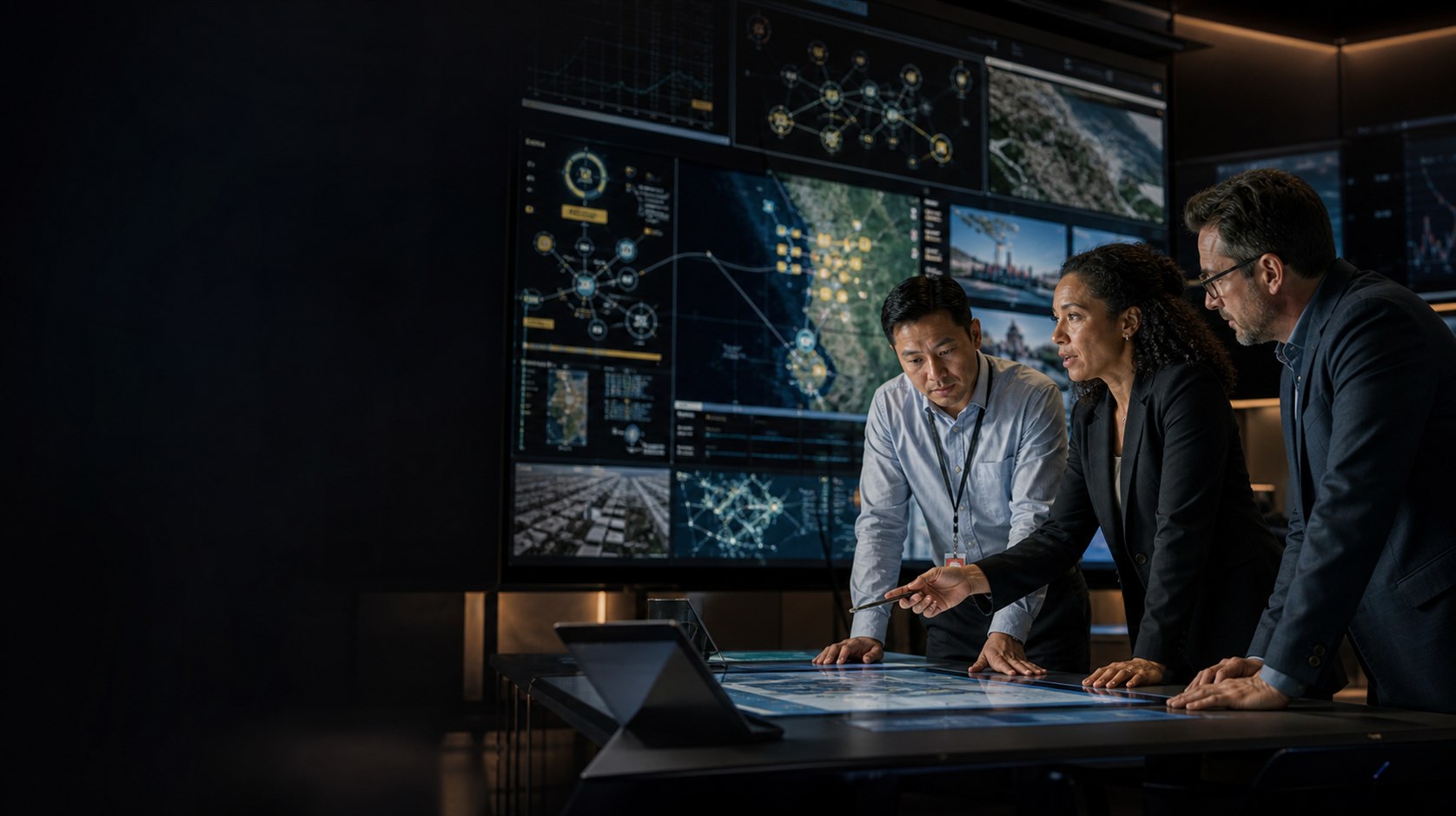
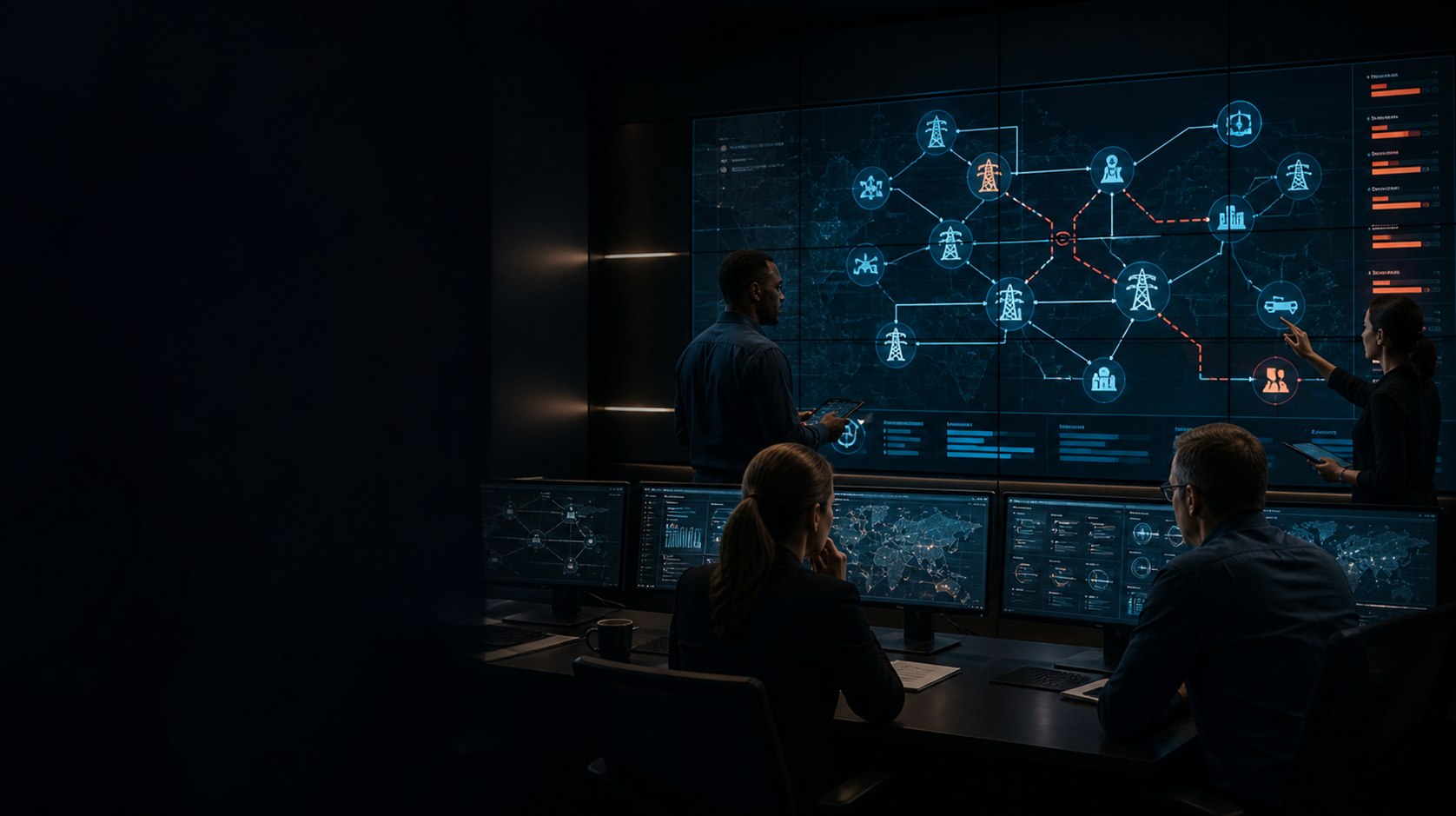
Emergency communications centers and incident teams already manage voice, text, video, location, weather, sensor, infrastructure, and mutual-aid information. AI can fuse these streams, but an additional alert feed may increase rather than reduce risk. The design standard is simple: deliver fewer, clearer, better-supported actions inside the command structure responders already use.
Begin with responder work
NIST’s public-safety research emphasizes communication, resilience, analytics, and human-centered usability. That matters because field conditions differ radically from an office. Interfaces compete with noise, protective equipment, low visibility, fatigue, intermittent connectivity, and time pressure.
Design with dispatchers, firefighters, EMS, law enforcement, emergency managers, and public-works staff. Observe when they need information, what they can safely attend to, and which role has authority. A model’s technically correct output is still a failure if it arrives at the wrong moment or on the wrong device.
Build one incident picture
Calls, units, addresses, hazards, building plans, camera feeds, weather, hospital status, road closures, and public messages need shared identifiers and provenance. AI can reconcile duplicates, summarize change, and flag conflicts, but source and freshness must stay visible. Incident command—not the model—sets priorities.
Operate through degraded conditions
Core functions should survive lost broadband, damaged infrastructure, and overloaded networks. Local caches, edge processing, prioritized synchronization, and familiar manual fallbacks belong in the acceptance test. Privacy and access policies should remain enforceable when central services are unavailable.
The best public-safety AI does not demand attention. It protects attention for the decision only a responder can make.
Evaluate with scenarios, not screenshots
Exercise routine calls, multi-agency incidents, conflicting reports, location errors, infrastructure loss, and surge volume. Measure time to shared awareness, missed critical updates, unnecessary alerts, radio traffic, handoff quality, and responder trust. Introduce one assistant capability at a time and promote it only when it reduces cognitive load under realistic stress.
Govern public communication separately from internal analysis. Draft alerts can be accelerated, but approval, accessible formatting, translation, geographic targeting, and correction procedures need named owners. The same event should produce a consistent record across dispatch, incident command, partner agencies, and public messaging without exposing protected information.
Where Corteq fits
Corteq creates an incident graph that connects calls, units, locations, hazards, infrastructure, plans, and mutual-aid resources. Bounded assistants summarize changing conditions and surface protocol-grounded actions without displacing incident command.
Corteq approaches this as an operating-system problem, not a point-tool purchase. Corteq Cortex™ joins mission context, bounded agents, existing systems, continuous controls, and zero-trust enforcement so teams can move from experiment to governed production. Explore our State, Local & Public Safety capabilities or start a working session.
Selected primary sources